






Are you bananas about AI?
Is it real or is it AI? This is a real life game that became alarmingly prevalent in the new world our ever-evolving tech had created.. Due to the rise of AI and software applications like ChatGPT, OpenAI, and Meta AI, it’s now common to see more neuroweb produced images on the internet. Sometimes, they are even used in place of a real image in media posts or in websites, which introduces a myriad of issues and ethical concerns. In this article, we will break down the entire AI versus analogue debate, analysing both the benefits and the drawbacks of this alluring, yet sinister technology, with an ultimate goal of reaching a conclusion on the proper application of our new artificial companion.
Nano Banana Pro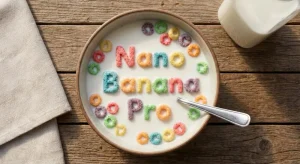
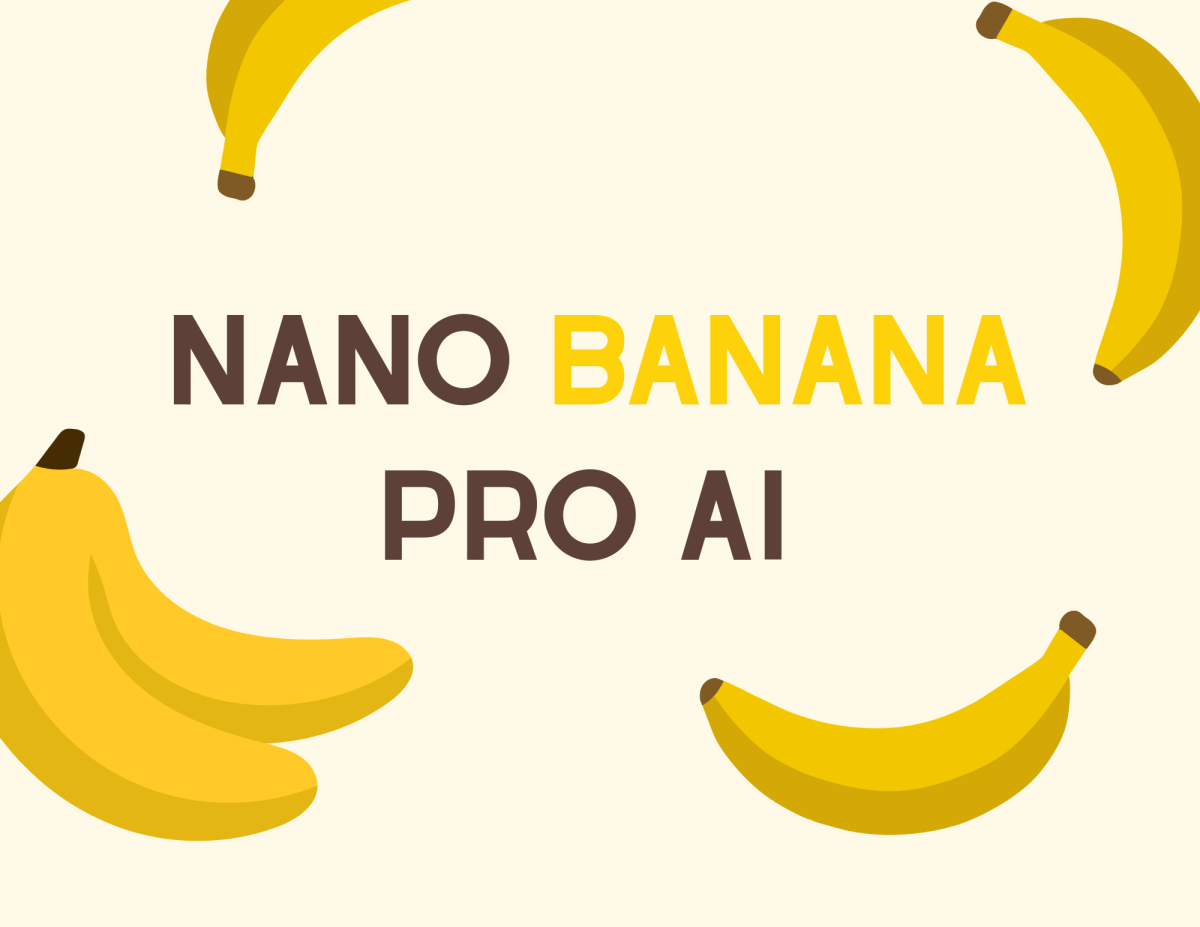
On November 20, 2025, Google introduced a new software, which integrates both AI and editing features.This software is called Nano Banana Pro AI. This software incorporates elements of other popular models like Gemini and ChatGPT, where users are able to give prompts to an AI algorithm. Unlike Google Gemini, Nano Banana Pro is able to generate images based on what the user requested, practically presenting it with directions to generate an image. What shocks users and skeptical bystanders is that now, the resulting image is a lot more realistic, compared to the previous software or any other competitors. The new Nano Banana Pro algorithm eliminates features that would usually give away signs that the produced image is AI. Features like extra fingers, undecipherable words, and a hazy overlay on the image are now close to non-existent, making the detection of an artificially generated image almost impossible.
Another issue arose when the new and improved Pro version was launched on August 26, 2025. This addition to the software is able to create a smoother image through its new editing features. Nano Banana Pro could also edit existing images by joining other elements from other photos and combining them into one. Features such as advanced editing for shadows and lighting, texture refinement and creating better structure for letters in photos. These features create a more cohesive AI image, making it appear closer to an authentic photo.
With how convenient this software is for the general audience, Google has marketed this product for a whole wave of new users. For example, students could use their software to generate images for their coursework, while using their limited free quotas as a part of the free membership. Adults who work in professional fields such as marketing or graphic design could use this software to generate images to design their advertisement campaigns for their businesses, while developers could use it to create mockups of their products. Nano Banana Pro even has some features that would allow filmmakers to use its features for editing scenes and outlining shots for their movies.
Common concerns about AI
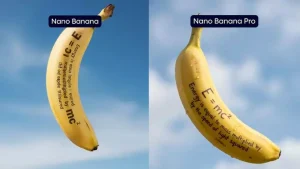
These features, however innovative, can impede the originality that a lot of creative roles require. They don’t necessitate the use of the existing skills for the creation of unique art. By using AI in order to create media, you ignore the whole point of being creative in the first place.
Another concerning issue is that this ever-improving software can now create alarmingly realistic photos of people. This concern is commonly voiced by celebrities and other public figures, whose likeness was used to generate images and videos, sometimes in compromising scenarios. As a result, these deepfakes can be used to blackmail and spread false rumors about innocent people. Now, the whole AI discourse is more than an innocent debate, rather it is a question of morality and ethics that is yet to be resolved.
A lot of people have voiced that they don’t want to live in a world where talent and creativity is replaced with AI. Despite the rising concerns about the integrity and ethicality of this new technology, there is no doubt that AI is here to stay. Therefore, instead of futile attempts to get rid of it, maybe, a more productive solution to this new problem would be to find ways to not only regulate but also apply AI with minimal harm to our world and selves. .