









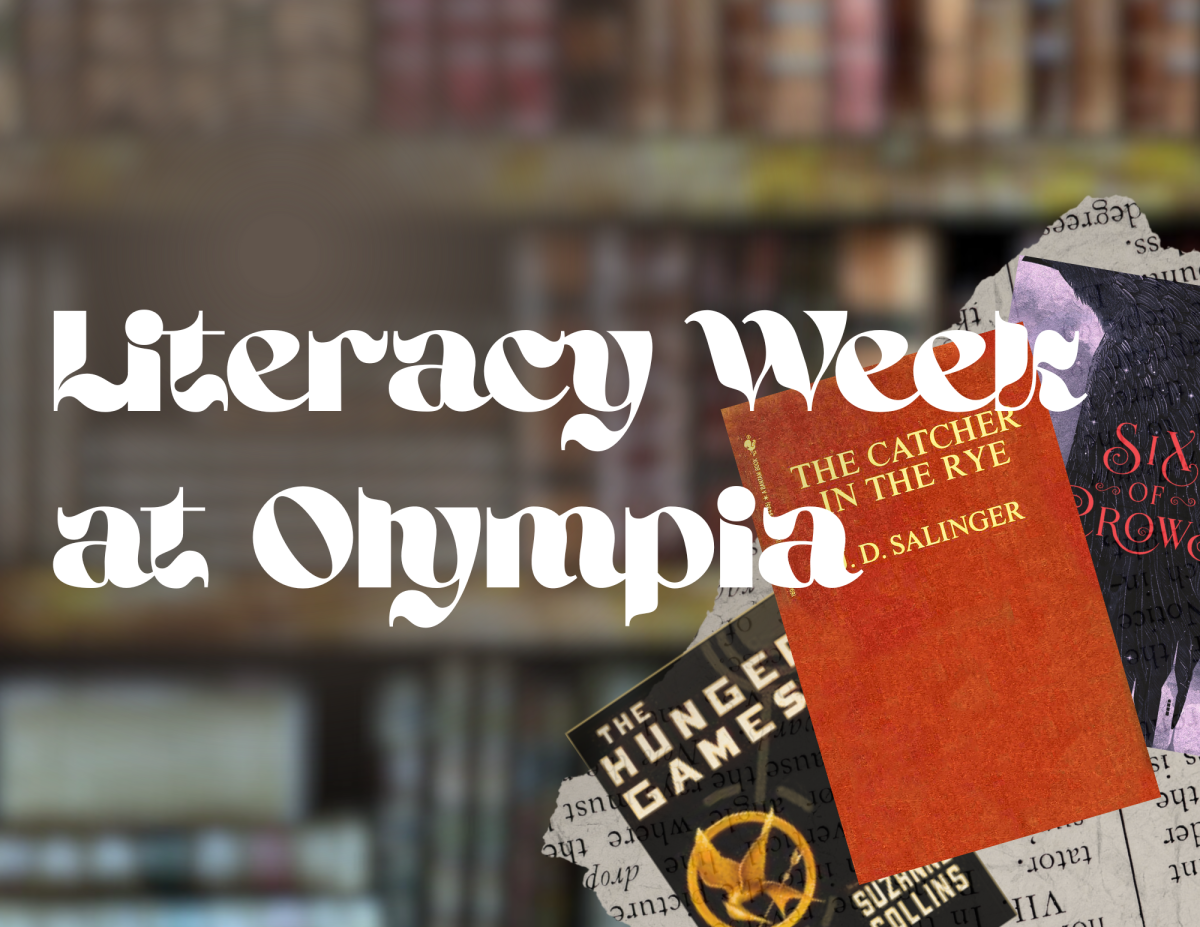
Books and literature are a key part of our society— they keep the critical thinking gears running, as well as making people feel represented well-within the details of a fictional character. They carry a key element that both visual and auditive media will never be able to replicate: the full and undivided attention of your imagination.
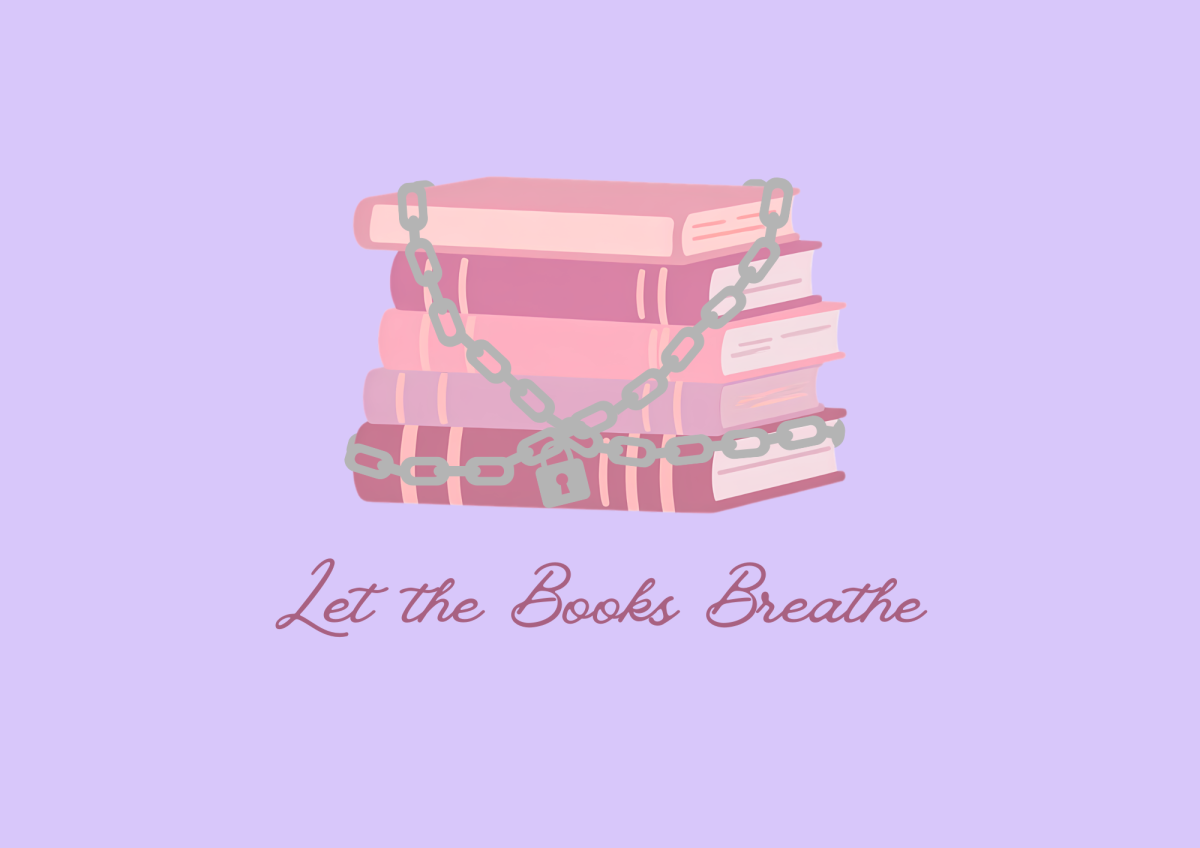
However, throughout history, this tool that teaches communities has often been seen as a threat— because it may teach too much too early or because it may instill the ‘wrong’ ideologies, especially in children and teens. In pursuit of the safety of these two groups, a group of House Representatives proposed a modification to a previous bill that has the potential to ban crucial books from school libraries, limiting the access kids have towards much-needed knowledge in literature.
On February 24th, 2026, the bill H.R. 7661 was proposed to the House of Representatives as the “Stop the Sexualization of Children Act,” as a modification of the Elementary and Secondary Education Act of 1965. While the title may seem like the protection of the youth, the bill creates obstacles for schools and libraries regarding their book department.
Representation
Under this bill, “lewd or lascivious dancing” would be banned. Which sounds a bit ambiguous, but refers to dancing that is seen as obscene or lustful. However, the lack of specification allows for harmful leeway, since this type of dancing is subjective and not objective. Understandably, there are examples that are extremely straightforward and ones that are already banned from schools because school boards exist. A federal restriction lacks the type of regulation necessary to implement this bill.
Furthermore, the legislation attempts to limit the representation of the LGBTQ+ community. Many parents believe that representation should not be portrayed until children are much older,usually as emerging adults.This bill states that it will prohibit funding for books containing “gender dysphoria and transgenderism”. As society progresses and our values change, it is much more usual to see the representation of individuals in literature that people would not have seen before– this includes the transgender community, as well as gender dysmorphia as an issue that harms many teens and adults today. The portrayal of these two may provide a much needed model to teens that might feel underrepresented in their life. By removing funding for these books, Congress removes the visualization for the youth, and removes the normalization of these issues.
Exceptions
The bill does have some exceptions though, pertaining to classic works of literature. This is a reasonable approach, however, the sources that they use aren’t as trustworthy as they should be.
The first one is, as it’s The Great Books of the Western World (second edition, 1990), published by Encyclopaedia Britannica. The other two articles, however, are ‘Classics Every Middle Schooler Should Read’ by Thomas Purifoy, and ‘Classics Every High Schooler Should Read’ by Mary Pierson Purifoy. Not to remove any credit for both these individuals– but these are opinion articles rather than verified ones, and may exclude many classics that teach crucial lessons of literature for the younger generations. As much as these individuals may know about books, the opinion should come from a wide variety of experts rather than just one.
Funding
What happens if schools don’t follow any of this, and continue to provide these restricted books? “They lose their federal funding”, a statement from one of the House Representatives. Because these are all public schools, they fully rely on their federal funding to function. If a school is deemed as providing potentially hazardous material to children– when in reality they are not– it will harm the teachers working there, the children learning there, and the school system itself, having the complete opposite effect it originally intended to have.
Final Thoughts
Although protecting the youth is necessary for society, banning books that increase critical thinking skills and make communities feel represented is not the solution that many believe it is. While I’m not saying that children should be exposed to explicit content at a young age, they should be exposed to people they see in everyday society, and issues that they may face in the future. Society should normalize this, not act as if it isn’t there; and public schools should definitely not be punished with a removal of funding if a book slips up from their reach.