























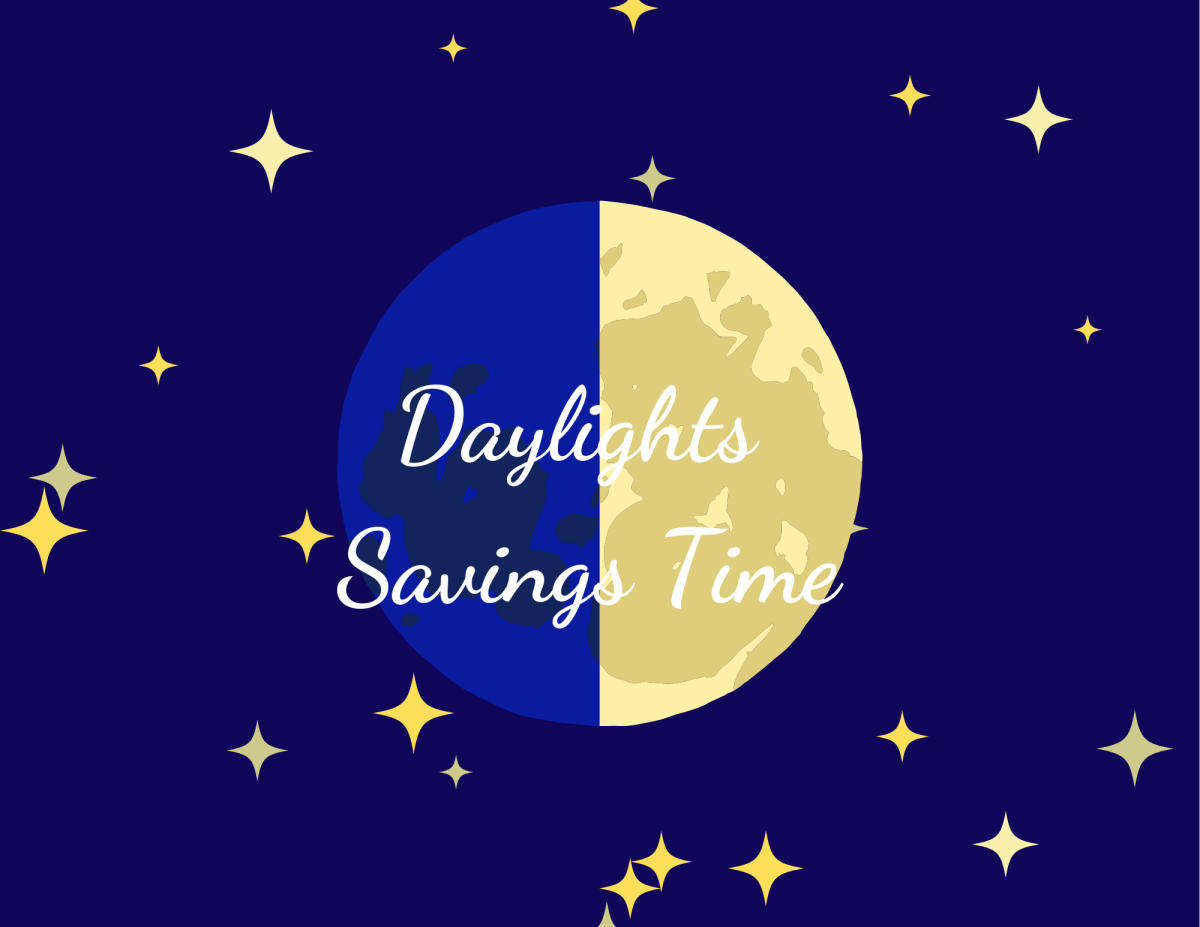
Did you wake up one day and it was bright as early as six in the morning? Turns out, there is a good reason for this— Daylight Savings Time. DST is the yearly practice of moving clocks forward by one hour in the spring and backward by the same amount of time in the fall in order to maximize daylight hours. It occurs every 240 days. DST was first implemented on April 30th, 1916 in Germany which was then followed by the United States two years later. Daylight Savings is dreadful for many as it can interfere with their circadian rhythms and daily habits, however, there are a plethora of reasons we keep sticking to this compulsory tradition..
On November 2nd, 2025, we once again moved our clocks forward, which caused confusion among many of our Titans..
“I thought it was way too bright outside. I do not like the sun coming up so early, so it felt weird,” junior Solenne Oladeji stated. Like Oladeji, most of the student body agrees that the sunrise being so early disrupts their morning. Many find darker mornings to be calmer and better for their mood, arguing that in comparison the sun only puts strain on their tired eyes.
“Daylight Savings made me confused when I woke up and I thought I was late for school. I do not like when the sun is out this early— it ruins my mood,” sophomore Ianiyah Baker expressed. DST seems to receive many of the same opinions— students are seriously bothered by the change in the sky disrupting their morning routines.
“I personally don’t like it because it damages your circadian rhythm and it just ruins my sleep cycle as a whole,” junior Samantha Gonzalez Merchan expressed.
Much like Gonzalez, many may agree that their sleep cycle was disrupted due to the sun rising this early. The feeling of the sunlight seeping through your curtains bright in the morning may cause variations of emotions, especially on school days, as many of us are not morning people.
“I actually don’t mind the sun coming out earlier, as I do not like how dark it is when I catch the bus in the morning,” senior Sir-Lejund Perry stated. Just like Perry, some people happen to enjoy waking up to a bright sky. This goes to show just how different everybody’s preferences are. No matter whether you are a morning person or a late night owl, don’t let these minor changes on a clock disrupt your day and mood.
To conclude with, the start of Daylight Saving Time has received many different views from students here on campus. Some detest it, some don’t mind it. This alteration in the clocks will occur twice a year, in the spring the clock will move forward and in the fall, the clocks move back. For those who are not too pleased with the current change on your clock— worry not! The next change is right around the corner on the second Sunday of March 2026!