





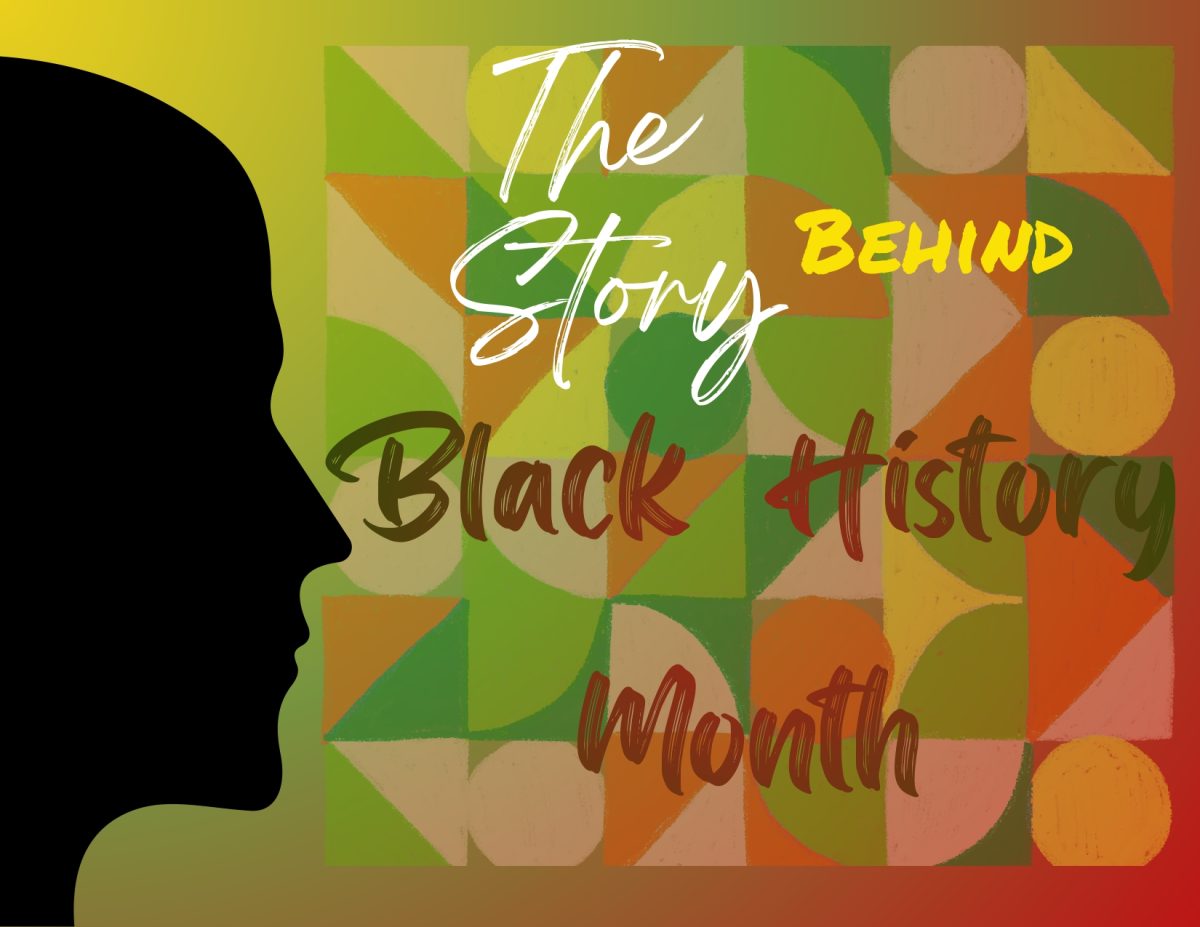














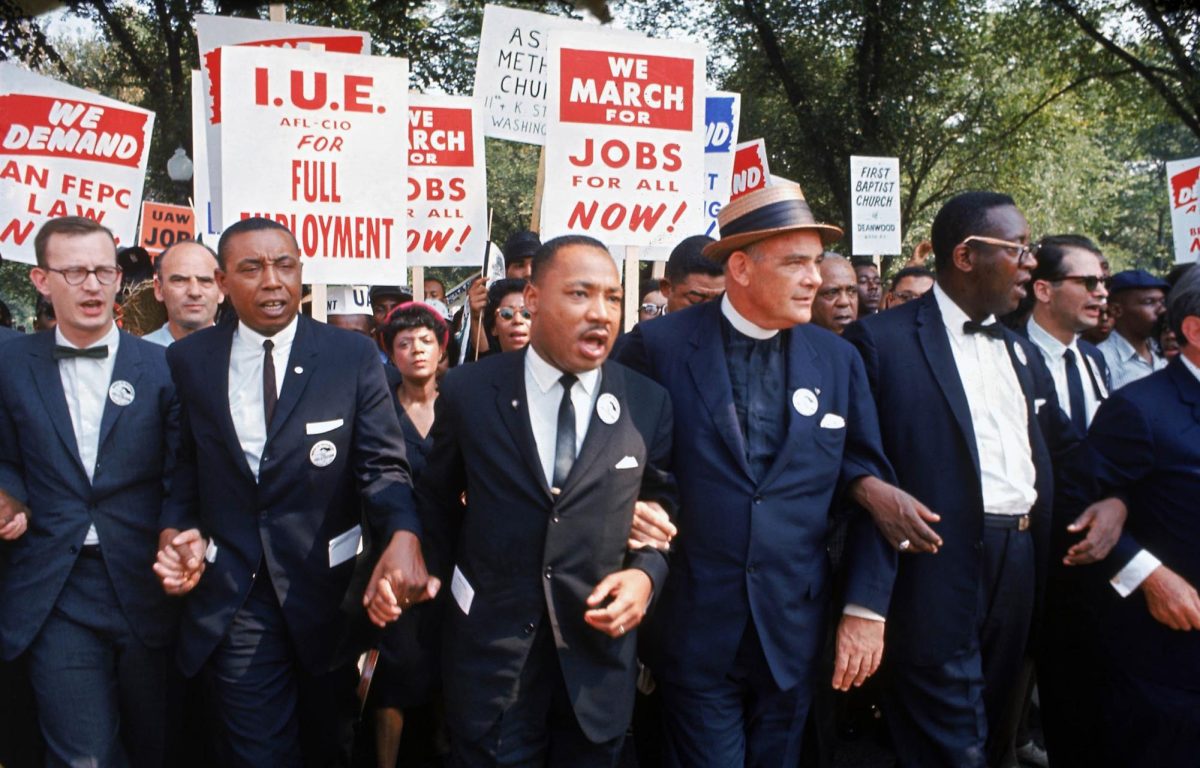
Observed annually on the third Monday of January, the United States honors the memory of Dr. Martin Luther King Jr. Assassinated at thirty nine years old, Dr. King was known to be a social activist that fought for racial equality—and later on before his death, economic equality as well— using non-violent protesting techniques to achieve his goal.
Martin Luther King Jr. was born on January 15th, 1929, in Atlanta, Georgia. During his formative years, King was exposed to a lot of traditions and principles that aligned with the Southern Black ministry, especially through his father and maternal grandfather who were both Baptist preachers. Despite his secure upbringing, he was never safe from experiencing racism, even at a young age. One of King’s early memories of discrimination is from when he was just six years old. Due to heavily prevalent racism at that time, he was told to stop playing with one of his white friends. Discrimination during this time in the United States also included the segregation of schools and other public places, barring Black people from engaging in some activities at the same level as White people.
After graduating from Morehouse College at the age of nineteen, King spent the next three years of his life learning about non-violent techniques of resistance through the Crozer Theological Seminary. Through this seminary, he was able to learn more about Mahatma Gandhi’s philosophy, which includes some of the non-violent resistance techniques that he used later on when pursuing justice. Some of these methods were even used in his most well known protests— the Montgomery Bus Boycott. King, along with other activists in Alabama, formed the Montgomery Improvement Association as a way to organize this boycott efficiently and effectively. By organizing the boycott, people were able to affect the amount of money that buses received from segregating their buses by race. A year and a couple of weeks after the boycott was organized, the boycott succeeded in desegregating public transportation.
Another one of the organized movements that King supported as one of his causes was workers strikes. These acts of protest would typically be organized by industrial laborers who marched for better working conditions. King showed his support of the Memphis Sanitation Strike, organized by sanitation workers in Memphis, Tennessee in 1968. The strike started after the death of two other laborers, leading to over 1,300 workers, demanding higher wages, safe conditions, and pay for rainy days. Those demands were representative of the oppression the marginalized class has endured, which is why King supported this movement. Another reason the Memphis Sanitation Strike was endorsed by him was because of the long history of how segregated Memphis was.
With strength and determination, Martin Luther King led dozens of strikes and protests. He was able to show that actions of bravery and equality are more than something only the chosen few can display. Rather, it is the ethical obligation that any responsible citizen should live up to..